
Welcome! I'm Caserin—I've spent years teaching acrylic nail techniques, blending book smarts with hands-on skills. Here, you'll dive into lessons that actually stick. Ready to get creative and master the art of acrylic nails with real confidence?
Learn, Grow, Repeat—Your Next Chapter Starts Here
Projecting Our Course: "Acrylic Nail Techniques for Everyday Clients"
Uncover the Audience for Our Course
Increased proficiency in digital communication
Strengthened problem-solving mindset.
Enhanced ability to think abstractly.
Improved understanding of the principles of sustainable development.



Hey, Ready to Paint Your Own Nail Story?
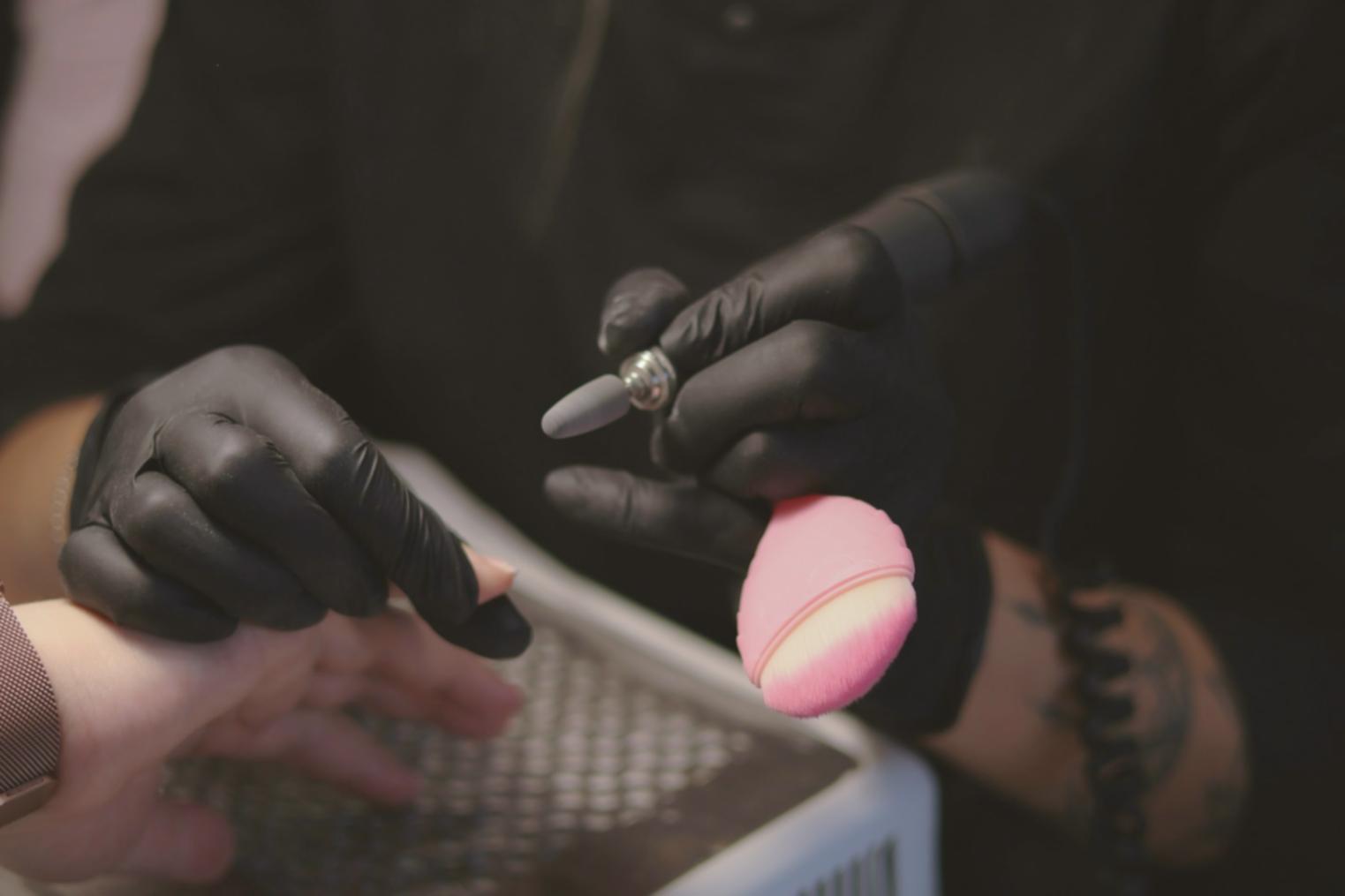
What’s immediately clear when you step into our acrylic nails workshop—though it might take a while to articulate it—is that beauty, for us, isn’t just about results. It’s a process, almost a living thing, shaped equally by structured learning and by the kind of personal curiosity you can’t quite teach. That’s why we chose “beauty” as our theme: it’s meant to signal that real understanding here grows from both careful instruction and a willingness to explore, to try and occasionally fail, and to circle back with new questions. We don’t offer a flawless path from point A to point B—because, frankly, people get stuck in different places. Some come in thinking it’s just about technique, only to discover that what actually trips them up is confidence, or patience, or the way light hits the nail and changes everything they thought they knew about color. I’ve watched students who could replicate any design from a video struggle to invent something of their own, and others who doubted they’d ever get the hang of shaping acrylic suddenly find their stride by accident, mid-conversation, when they stop overthinking the brush angle. (One observation I keep returning to: the moment someone asks, “Wait, can I try it this way instead?” almost always marks a turning point.) There’s this misconception—persistent and oddly comforting—that mastering acrylic nails is just about learning the steps, memorizing the process, and practicing until your hands remember what your mind studied. But the truth is, the material itself throws up unique challenges. For one, acrylic doesn’t always behave the way you expect. It dries faster (or slower) depending on the weather, your mood, maybe even what music’s playing in the background. We’ve spent years noticing exactly where participants tend to falter—usually during the transition from imitation to improvisation—and we’ve built our approach around helping you through those sticky spots. What surprises many is how the skills you learn here—attention to detail, patience with imperfection, the quiet satisfaction of making something with your hands—start showing up in places you never thought to look. I’ve had people tell me they approach their own self-care routines differently, or find themselves troubleshooting household repairs with more creativity, just because they learned to see possibilities in a blank nail tip. And that, more than flawless technique, is the kind of transformation we quietly hope for.
Pro
390 £Mostly, people pick the Pro format because they want steady, real-time feedback—either to correct habits that have crept in or to finally nail (no pun intended) those tricky apex shapes. It’s not just about getting more content; it’s about the chance to show your work to someone who actually understands where you’re stuck, and then having a back-and-forth that’s more honest than polite. And yes, there’s the group practice part, which some folks love—especially if you’re the type who learns more from seeing where others stumble than from step-by-step demos. That said, the Pro format isn’t all about group energy; sometimes the most memorable moment comes from a quick, offhand comment a coach makes during a session—like when someone pointed out that using a simple kitchen scale to weigh out your powder for consistency actually makes a difference. So, if you’ve found yourself plateauing or just wishing someone would tell you exactly what’s holding you back (instead of just “keep practicing!”), this might fit. There’s a certain relief in not having to guess anymore.
Entry
230 £Honestly, the real standout with the Entry tier is the mix of hands-on practice and just enough instructor feedback—you give a bit of time and curiosity, and in return, you get guided drills plus simple troubleshooting when you hit a wall. There’s no overwhelming theory, just real-world basics that make those first acrylic sets less intimidating. Some folks mention the group chat feels a bit like a safety net—surprisingly reassuring when you’re unsure if your brush pressure is right. Materials aren’t included, so you’ll need your own starter kit, but for anyone who learns best by doing rather than just watching, this tier actually makes sense.
Plus
310 £People who usually choose the Plus access level in our acrylic nails process seem to want steady guidance—especially when it comes to troubleshooting tricky lifts and shaping inconsistencies. They’re often past the very basics, but not quite ready for fully independent work. The real draw is the direct feedback loop you get—your questions don’t just disappear into a void, and you’ll typically get pretty specific suggestions on your technique (sometimes even about brush angles you might not have considered). There’s also an archive of demo videos, but honestly, the ability to revisit feedback on your own attempts is what most folks stick around for. A little aside: Plus members sometimes end up forming informal peer groups, though that’s not exactly built into the system—it just seems to happen.
Flexible Learning Program Costs
Making an investment in your education can mean different things to different people—sometimes it’s a question of depth, other times it’s about flexibility or just finding a comfortable pace. I’ve noticed, over the years, that no single learning path suits everyone. Some folks thrive with ongoing support, while others prefer a more hands-off approach. Each choice brings its own kind of value, depending on what you’re looking for right now (and honestly, what you might need down the road). So, if you’re weighing your options, take a moment to consider what really matters to you—whether it’s steady guidance, independence, or maybe just the freedom to try something new without overcommitting. Choose from these thoughtfully crafted educational options:
Excellence in Every Step
Caserin
Adolfo
Adolfo has this way of making acrylic nail techniques seem both precise and oddly intuitive. He doesn’t just run through steps—he’ll pause and ask why a certain bead consistency might remind you of making risotto, which is both unexpected and, honestly, kind of genius. Adult learners, especially, seem to appreciate that he treats them like colleagues, not just students; he expects questions, even disagreements. There’s a quiet confidence in his sessions, not the showy kind, but the sort you get from years of adapting to learners who arrive with wildly different backgrounds—some straight from beauty school, others with résumés in finance or nursing. In one class, I noticed he kept a chipped mug on his desk, the kind you’d find in a thrift store. Later, a student joked about it and he shrugged, saying it reminded him that “perfection isn’t always the point.” That attitude trickles down—people leave his courses less afraid to make mistakes. Surprisingly, even the skeptics mention in their feedback that Adolfo’s challenges made them sharper, not more anxious. He almost never brings up his articles in professional journals, but if you dig around, you’ll find his name attached to some quietly influential pieces about monomer ratios and brush control. The classroom itself is a mix of hum—sometimes nervy, sometimes downright relaxed. There’s always music (never the same genre twice), and somehow, that unpredictability keeps everyone on their toes.